99 Ночей в Лесу Скрипт на Роблокс для телефона и ПК [Авто Фарм Алмазов]
19.09.25 51 582 просмотров
Привет, фанаты Roblox! Ищешь рабочий и бесплатный скрипт для 99 Ночей в Лесу на ...
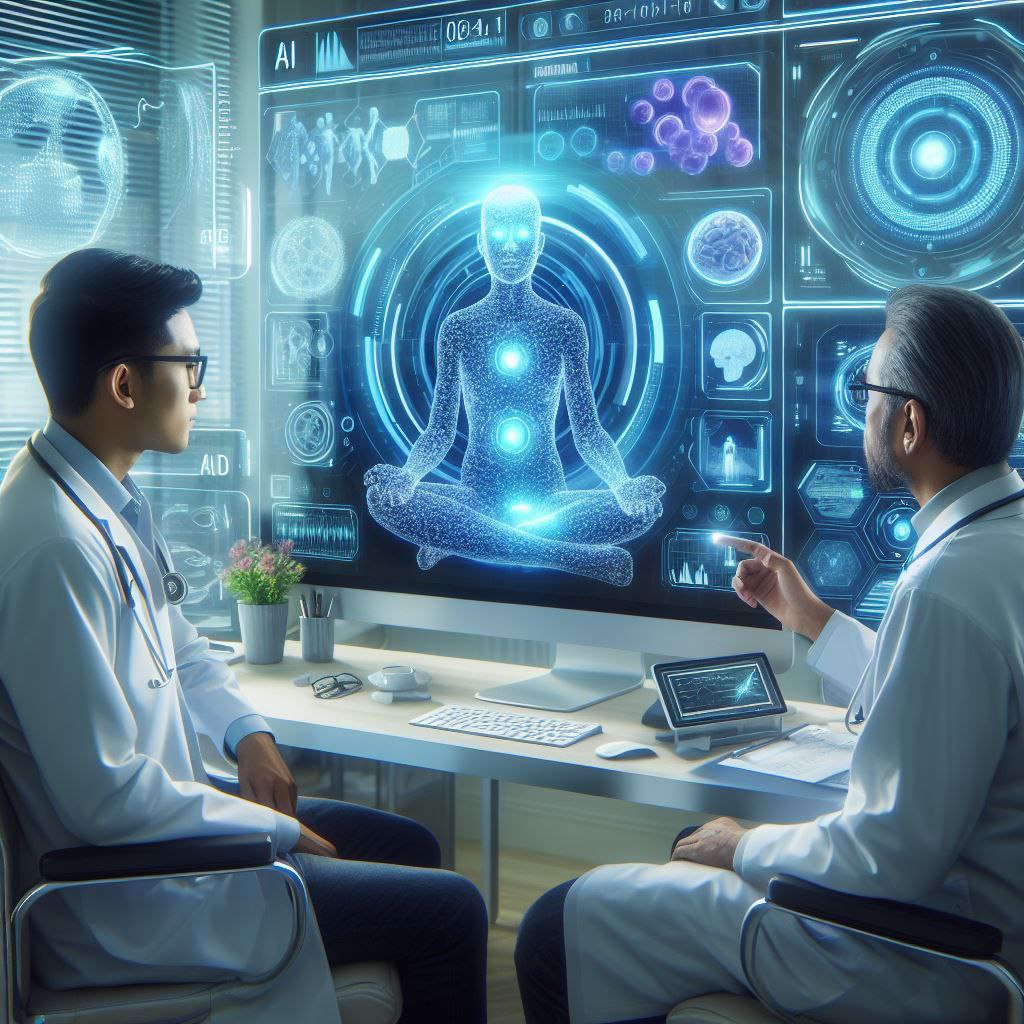
Artificial intelligence (AI) is rapidly changing the world, and medicine is no exception. Already today, AI is used to diagnose diseases, develop new drugs, personalize treatment, and this is just the beginning.
AI can analyze X-rays, MRI scans, ultrasounds and other medical images with an accuracy comparable to that of experienced doctors.
AI helps doctors make more accurate diagnoses by analyzing large amounts of data about patients, including their symptoms, medical history, test results and other factors.
AI can speed up the development of new drugs by predicting which molecules will be most effective in treating specific diseases.
AI helps create medications that will be most effective for a specific patient, taking into account his genetics, age, gender and other characteristics.
AI-controlled robotic surgeons can perform operations with greater precision than humans.
AI helps doctors diagnose and treat cancer, such as developing personalized treatment plans.
AI is used to analyze genetic data, which makes it possible to identify people at risk of developing hereditary diseases.
AI helps predict the likelihood of people developing diseases, which allows preventative measures to be taken.
AI is used in telemedicine systems, allowing patients to receive consultations from doctors remotely.
AI chatbots can answer patients’ health questions, provide information about disease symptoms, and recommend treatment options.
AI has enormous potential to revolutionize medicine. AI can help in the future:
Currently, active research is underway around the world in the field of application of AI in medicine. New methods are being developed to use AI to diagnose diseases, develop drugs, treat patients, etc.
The use of artificial intelligence in medicine is at an early stage of development, but its potential is enormous. As AI technologies improve, we can expect even greater changes in healthcare.
Artificial intelligence is already having a significant impact on medicine, and this impact will only grow in the future. AI has the potential to revolutionize healthcare by making it more efficient, accessible and personalized. However, it is important to remember that AI is a tool and its use must be responsible and ethical.






![99 Ночей в Лесу Скрипт на Роблокс для телефона и ПК [Авто Фарм Алмазов]](https://joyverse.ru/wp-content/uploads/2025/09/image-26_1.webp)
19.09.25 51 582 просмотров
Привет, фанаты Roblox! Ищешь рабочий и бесплатный скрипт для 99 Ночей в Лесу на ...
![Скрипт на Мир Денди в Роблокс без ключа [ВХ, ТРОЛЛИНГ, ФЕЙКИ]](https://joyverse.ru/wp-content/uploads/2025/10/image-48.webp)
Что за игра Dandy’s World [ALPHA] в Roblox? Dandy’s World — это захв...
29.09.25 9 388 просмотров
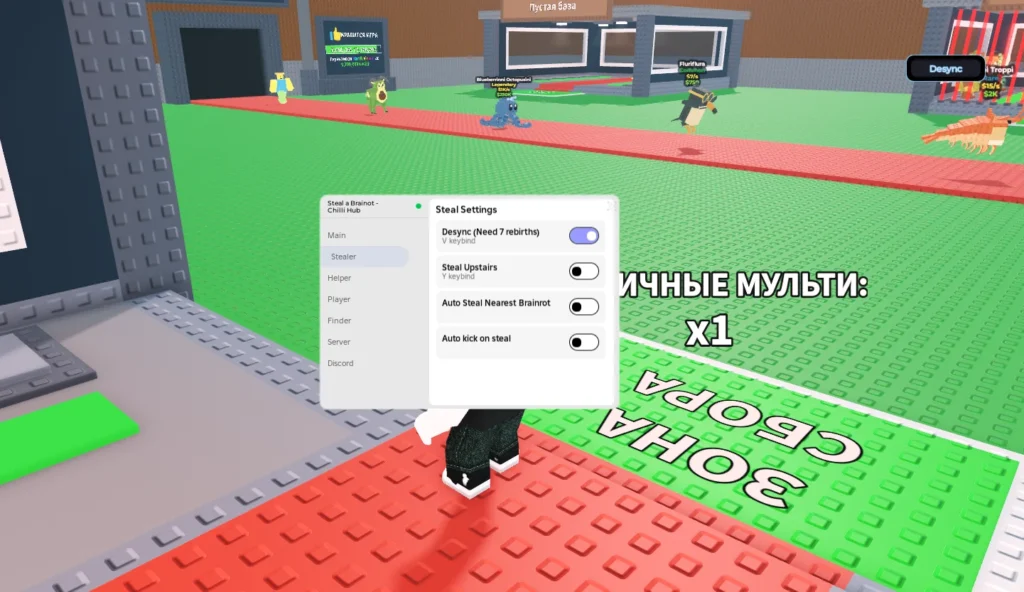
Привет, энтузиасты Roblox! В поиске свежего и надежного скрипта для Steal a Brai...